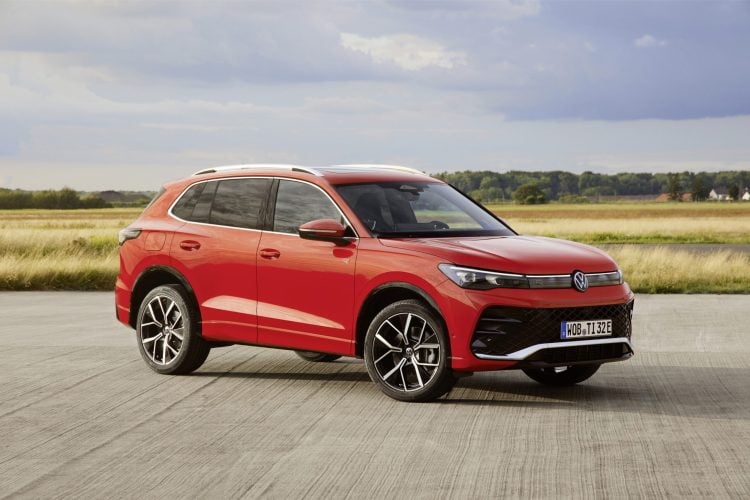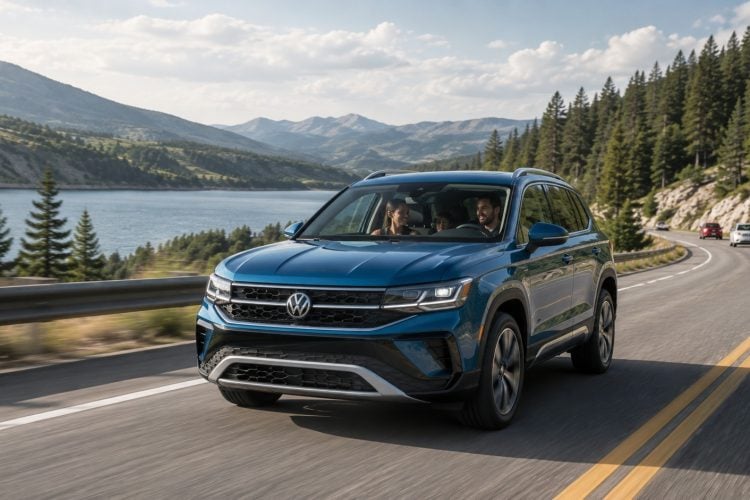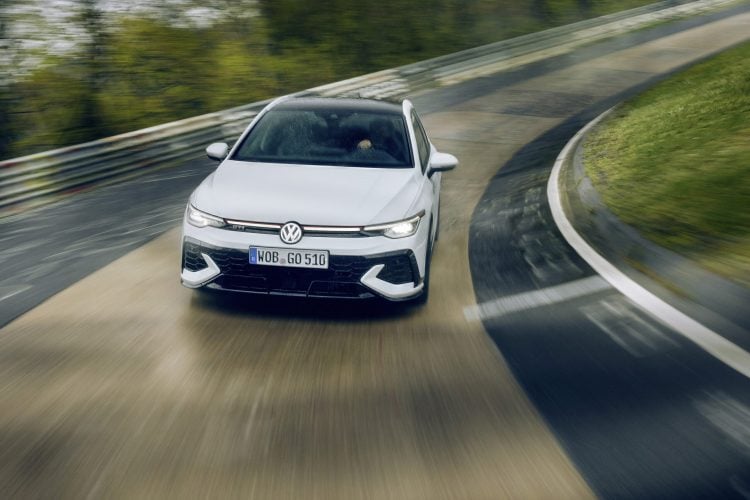

When you think of new car invoice prices, you probably picture a single, precise number, one figure applied universally to a specific make or model. But invoice price is influenced by a range of variables, which is why you can find multiple invoice prices for the same car across platforms.
Three things drive the number.
Invoice price data depends on how a vehicle is configured, where it’s sold, and when the price was captured.
- Why new car invoice prices aren’t one fixed number
- The “same car” problem: trim, options, and configuration
- Model-year timing and pricing shifts
- Manufacturer incentives and why they confuse the picture
- Regional pricing differences and distribution costs
- How to use invoice price data realistically
- FAQs
Why New Car Invoice Prices Aren’t One Fixed Number
Invoice price data depends on three things: how a vehicle is configured, where it’s sold, and when the price was captured. That’s why different platforms can show different invoice prices for the same vehicle. If you notice a difference, don’t worry, it’s not an error, it reflects real-world pricing.
Understanding why these numbers differ helps set realistic expectations when comparing them, and it also explains why relying on pricing tools alone may not always be the best strategy.
The “Same Car” Problem: Trim, Options, and Configuration
One of the biggest reasons you may see different invoice pricing during your research is configuration. Cars that look identical on the outside are often not, and a model name alone does not capture the full pricing picture.
Trim level
Base, mid-level, premium, or performance trims each carry their own invoice price.
Optional packages
Technology or safety bundles add to the invoice, sometimes by a meaningful amount.
Individual features
Wheels, premium paint, and similar standalone options can shift the number further.
Imagine two buyers researching the same SUV model. One looks at the base trim and the other chooses a higher trim with multiple packages. Even though the model names are the same, the two invoice prices could differ by thousands of dollars. When researching across multiple sources, make sure the vehicle has the same configuration on each platform, or you’ll end up comparing different prices without realizing it.
Model-Year Timing and Pricing Shifts
Timing is another factor in new car invoice prices. Invoice data can change throughout the model year, even when the vehicle itself hasn’t changed. A few timing-related factors to understand:
- Early model-year pricing versus late model-year pricing
- Year-end transitions when new models are introduced
- Redesign years compared to carryover years
- Manufacturer price adjustments released mid-year
When you look at the invoice price of a vehicle early in its model year, that number may be vastly different months later. Always double-check the invoice price so you walk into a dealership with accurate information.
Manufacturer Incentives and Why They Confuse the Picture
The next factor influencing new car invoice prices is manufacturer incentives. This one is a little more complex, since it can affect the price in multiple ways depending on its structure and presentation.
Some incentives are customer-facing, like rebates or special financing offers. Others are dealer-focused and may not be visible to buyers at all. Some sources include incentives in the adjusted figure, others simply list them, and some exclude them entirely. Depending on the arrangement between the dealership and manufacturer, the dealer may be receiving incentives the customer never sees, which is why what the dealer actually pays can differ from the invoice figure, and why invoice price is not always the real dealer cost. Thorough research helps you get the full picture.
Regional Pricing Differences and Distribution Costs
New car invoice prices can also vary by region. Due to distribution, logistics, and regional demand, the same vehicle can be priced differently on the East Coast compared to the West Coast. A few other regional factors that may influence the number:
- Transportation and delivery cost
- Port-installed options on imported vehicles
- Regional advertising or market conditions
- Demand differences between urban and rural markets
- Regional inventory levels
With all of these regional factors at play, it’s difficult to find a single nationwide invoice price for any vehicle.
How to Use Invoice Price Data Realistically (Without Overthinking It)
Any new car invoice price you find is a reference point, not a definitive answer across every model, region, or trim. It provides context, not certainty.
1. Use it to understand a pricing range.
Treat the number as a benchmark that helps you gauge roughly where a fair deal sits, not a fixed target.
2. Use the same trim, options, and location across sources.
Comparing mismatched configurations is the fastest way to end up with numbers that don’t agree.
3. Expect minor differences to be normal.
Small gaps between sources reflect timing and data collection differences, not a mistake on your part.
4. Aim for transparency, not precision.
The emphasis should be on finding transparency rather than precision.
Check the invoice price for your exact new car
Now that you understand what goes into new car invoice prices and why prices can differ across sources, the next step is to find the invoice price for the specific vehicle you want. Fill out our short form and you’ll have access to the invoice price for your ideal vehicle.
FAQs: New-Car Invoice Price Variability
Why do new car invoice prices differ between websites?
If you see different invoice prices across sources, it is most likely because each source is showing the price for the same vehicle in a different region or configuration.
Can the invoice price data change over time for the same model?
Yes. Factors like model year or manufacturer updates can cause the invoice price for the same model to change over time.
Do trim levels and options really affect invoice price data that much?
Yes. Trim levels and options can change the invoice price by thousands of dollars in some cases.
Stop comparing guesses. Compare your exact vehicle.
Once you know why invoice prices vary, the fastest way forward is to get the real number for your specific year, make, model, trim, and ZIP code.