Range Rover Review 2026: The One To Beat?

from the experts at Invoice Pricing

Cars Land Rover Range Rover Review 2026: The One To Beat?
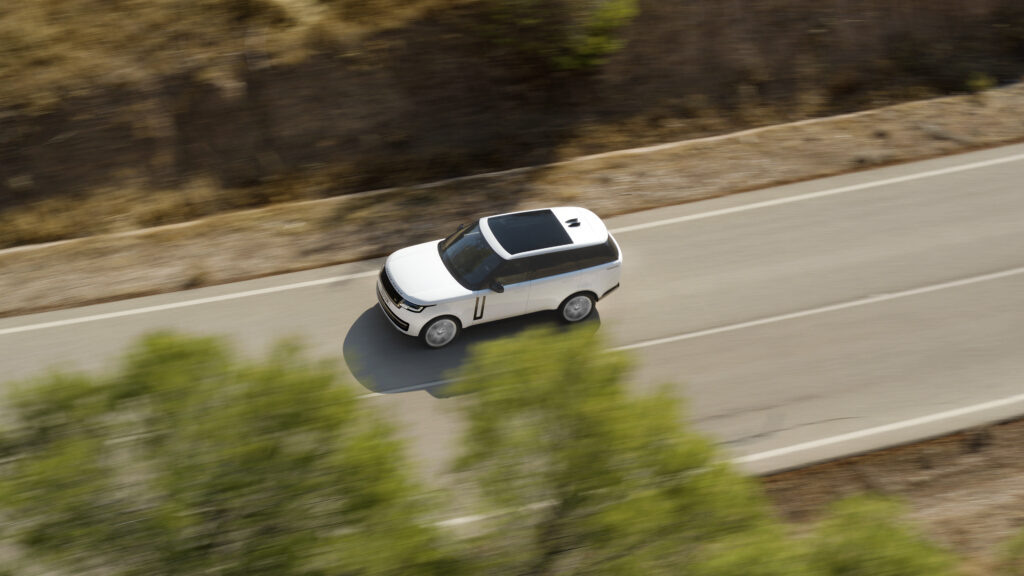
White Range Rover luxury SUV driving on a paved road in an overhead view for a Range Rover Review.

2026

Land Rover

Range Rover

In this Range Rover Review, it becomes clear pretty quickly that this SUV is not trying to chase trends or imitate newer rivals. It still leans on the things that made it iconic in the first place: clean design, real road presence, and an atmosphere that feels expensive without turning theatrical. That is a big reason the 2026 Range Rover still lands as such a distinct choice in this segment.

The Range Rover stands out because it moves with ease and confidence. Its luxury is clear, but you also notice it in quieter ways, like the peaceful cabin and smooth ride. The 2026 Range Rover remains the standard for anyone who wants comfort, presence, and more than the usual full-size luxury SUV.


What’s New?

The main update is the new SV Black trim, which adds an ultra-luxury option near the top of the 2026 Range Rover lineup.
The main point is that the 2026 Range Rover aims for refinement rather than a complete overhaul. Its design, wide range of options, and strong identity keep it looking modern and up to date, so a major redesign isn’t needed.

Infotainment and Connectivity

13.1-inch curved touchscreen and a 12-inch digital driver display, giving the cabin a clean, modern tech layout. Features such as wireless charging, Amazon Alexa, and rear-seat entertainment help it feel modern.

The bigger point is that the tech fits the vehicle’s overall character. It feels polished, upscale, and easy to live with, which is exactly what buyers expect from a Range Rover, not a screen-heavy luxury SUV trying too hard.

Price and How to Choose

The 2026 Range Rover starts at $115,450 for the P400 SE and goes up to $263,050 for the P615 SV Black LWB. Within that range, the lineup includes six-cylinder gas models, plug-in hybrid versions, V8 trims, and both standard- and long-wheelbase configurations.

The P400 trims are the entry point into the lineup and cover the standard Range Rover experience with the six-cylinder setup. The P550e models are the plug-in hybrid option for buyers comparing gas and electrified versions. Above them, the V8-powered P530 and P615 trims sit higher in the range, with the SV models at the top. Long-wheelbase versions are also available for buyers who want more rear-seat space or a seven-seat layout.

You can choose from several engines. The P400 uses a 3.0-liter six-cylinder mild-hybrid with 395 horsepower. The P550e plug-in hybrid pairs a 3.0-liter six-cylinder with an electric motor. The 4.4-liter V8 delivers 523 horsepower and goes from 0 to 60 mph in 4.4 seconds.
The key takeaway is that the Range Rover is built for a calm, confident drive rather than sporty handling. It has a really smooth ride and a strong road presence. If you prefer easy speed over sharp cornering, this SUV is a great choice.
Fuel economy varies by engine. The P400 SE gets 19 mpg in the city and 23 on the highway. V8 models get 16 mpg in the city and up to 23 mpg on the highway, depending on the setup. The plug-in hybrid is best for those who can charge often and want better efficiency.
This makes the choice easier: the six-cylinder offers balance, the plug-in is ideal if you can charge regularly, and the V8 is for those who want the full Range Rover experience.
Emergency Braking, Blind Spot Assist, Adaptive Cruise Control with Steering Assist, a 3D Surround Camera, Rear Traffic Monitor, Lane Keep Assist, Traffic Sign Recognition, and Front and Rear Parking Aid. Overall, the safety equipment is impressive.

The Range Rover gives you 41.0 cubic feet of cargo space in the standard five-seat layout, which is enough room for several large suitcases, a full airport run for a family, a bulky stroller plus bags, or the kind of weekend luggage load that would fill a smaller luxury SUV much faster. Long-wheelbase seven-seat versions open that up to 43.0 cubic feet, so they make a little more sense if you expect to carry more gear along with passengers.

Towing capacity depends on the version. The P400 six-cylinder models can tow up to 7,715 pounds, which is enough for a sizable boat, a car trailer, or a well-equipped camper. Plug-in hybrid versions are rated at 6,613 pounds, so they still handle meaningful towing duties, but they give up some muscle in exchange for added electric range. Certain V8 long-wheelbase versions go as high as 8,200 pounds, which puts them in serious towing territory for a luxury SUV.

In real-world terms, that means the regular six-cylinder Range Rover is already strong enough for most buyers who plan to tow at any frequency. The plug-in hybrid still works for lighter recreational use, while the biggest V8 versions make the strongest case if towing is a major part of how you plan to use it.

Pros:

  • The cabin feels genuinely special, with a calm atmosphere and a very high-end finish.
  • The lineup gives buyers real choice, including six-cylinder, plug-in hybrid, and V8 versions.
  • It combines luxury comfort with serious towing ability and real SUV usefulness.

Cons:

  • Handling is composed, but it is not especially engaging on a twisty road.
  • Long-term reliability is still a question mark compared with the top competitors.
  • Its size and overall character make it feel more suited to relaxed driving than tight urban use.

The Range Rover makes a strong case on comfort, presence, and capability, but the trim spread is wide enough that pricing context really matters. Check invoice pricing before you buy so you have a clearer sense of what is fair to pay and a better foundation for negotiating the version you actually want.

Is the 2026 Range Rover worth buying if you want luxury first, but still need real SUV capability?

Yes, and that is exactly why it still stands out. The 2026 Range Rover gives buyers a rare mix of high-end comfort, strong road presence, and real usefulness beyond the luxury badge. Depending on the version, it offers up to 41.0 cubic feet of cargo space in standard models, towing capacity as high as 8,200 pounds, and a lineup that includes six-cylinder, plug-in hybrid, and V8 options. That makes it appealing not just as a premium SUV, but as one that can adapt to very different needs without losing its sense of occasion.

Written by Invoice Pricing

Sources Reviewed

Land Rover USA
EPA / FuelEconomy.gov
IIHS

Disclosure

Invoice-Pricing.com may connect shoppers with participating dealers.

Select Your Vehicle and See
Secret Dealer Pricing

Takes less than 30 seconds, 100% FREE.

Buying Tips

Shopper comparing dealership inventory at the best time to buy a new car

Best Time to Buy a New Car in 2026: Timing Guide

See how model-year changeovers and incentive cycles affect the best time to buy in 2026….

Learn More

Monroney sticker vs. dealer addendum comparison on a new car window

Monroney Sticker vs. Dealer Addendum: The Full Guide

See which window sticker charges are factory-installed and which ones the dealer added….

Learn More

Car shopper comparing a cash rebate with another financing option

Cash Rebate vs. 0% APR Calculator: Which New Car Offer Saves More?

Compare cash rebates vs. 0% financing to see which offer saves you more….

Learn More

Destination charge listed on a new car window sticker

Destination Charge on a New Car: Is It Included?

See if a destination charge is already included in MSRP and dealer invoice price….

Learn More

Two professionals review a printed form together at a desk in a bright office, one holding a pen over the document.

New Car Incentives, Rebates, and Dealer Cash: What to Know

See how new car incentives, rebates, and dealer cash affect your final purchase price….

Learn More

Person in a dark jacket points at a price sheet stuck to a car window in a showroom, inspecting the vehicle's details.

Market Adjustment Fee Explained: Dealer Markup vs. MSRP

See how a dealer market adjustment differs from MSRP, and how to negotiate it away….

Learn More

More Land Rover Models

Content