Mazda CX-50 Review 2026: A Better Daily SUV

from the experts at Invoice Pricing

Cars Mazda Mazda CX-50 Review 2026: A Better Daily SUV
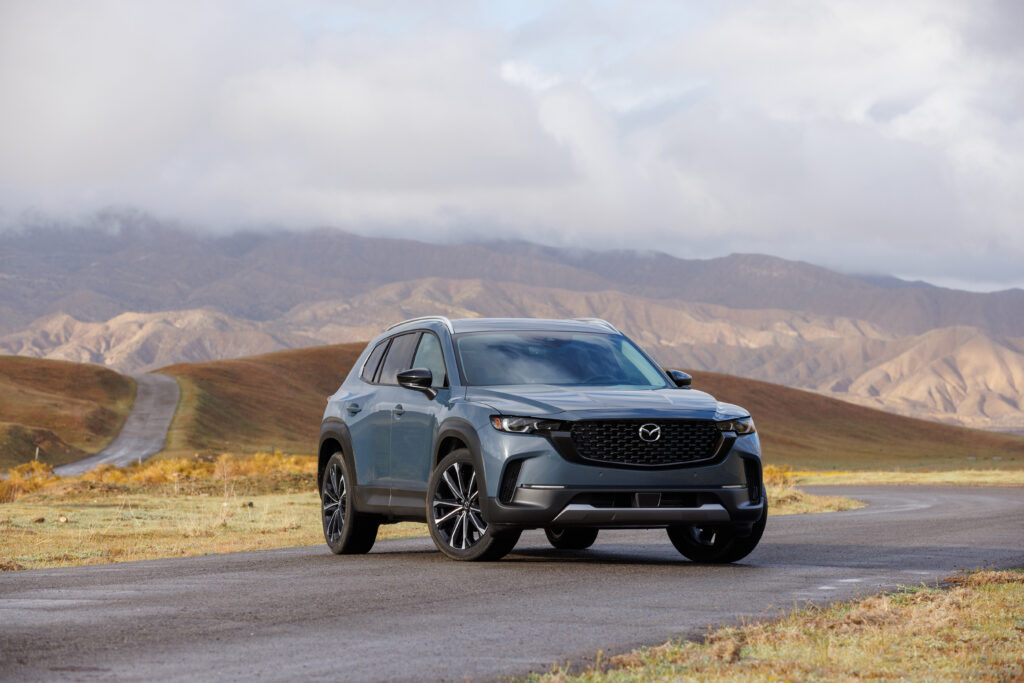
Gray Mazda CX-50 SUV parked on a winding road with mountains and cloudy skies in the background for a Mazda CX-50 Review.

2026

Mazda

CX-50

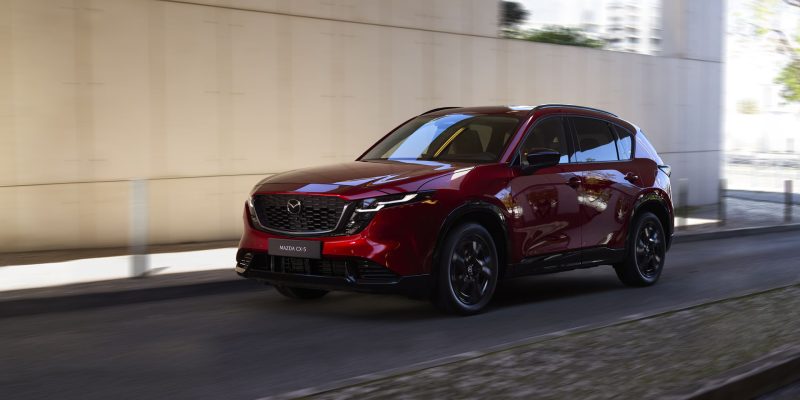
In this Mazda CX-50 Review, it is easy to see why this model has carved out its own space in a crowded segment. It has the everyday usefulness people expect from a compact SUV, but it delivers it with a cleaner design, a more premium-feeling cabin, and road manners that feel more considered than average. That is what helps the 2026 Mazda CX-50 feel like more than just another practical choice.


What’s New

Mazda made enough updates to keep the lineup from feeling static. One of the biggest changes is the addition of a naturally aspirated 2.5 S Meridian Edition, which gives buyers access to that more rugged look without forcing them into the turbo model.
Mazda also reshuffled equipment across the range. The 2.5 S Preferred now adds a panoramic moonroof and front and rear parking sensors, while the 2.5 S Premium picks up upgrades like ventilated front seats, a power passenger seat, driver’s seat memory, and an auto-dimming mirror with Homelink. There is also a new white interior option on select trims.

Infotainment and Connectivity

Mazda has not turned the CX-50 into a rolling tablet, and that works in its favor. The 2026 model features a 10.25-inch center display and offers Apple CarPlay, Android Auto, Alexa Built-in, Bluetooth, and Bose audio, depending on trim.
The overall setup feels well-matched to the rest of the vehicle. It gives buyers the connectivity they actually use every day without making the dashboard feel overdesigned or screen-heavy. That matters because the CX-50’s appeal has always been about blending style and usability, not trying to overwhelm you with tech for the sake of it.

Price and How to Choose

Mazda lists the 2026 CX-50 gas lineup starting at $29,900 before destination, while the trim comparison page notes a $1,495 destination charge. Kelley Blue Book shows transaction-oriented pricing for gas trims ranging from $31,395 to $44,395, and lists the hybrid from $36,245 to $41,945, with Fair Purchase Pricing below MSRP depending on trim.
For most buyers, the sweet spot depends on priorities. The standard engine makes sense if you want the CX-50’s styling and cabin without climbing too far up the price ladder. The turbo is the strongest pick for buyers who care about performance and towing. The hybrid is the smarter call if fuel costs and daily commuting matter more than outright punch.
The CX-50 lineup gives buyers three very different flavors. Most gas trims use a 2.5-liter four-cylinder making 187 horsepower, while turbo models raise output to as much as 256 horsepower and 320 lb-ft on premium fuel. The hybrid pairs a 2.5-liter engine with electric motors for a combined 219 horsepower, and every version comes with all-wheel drive.
What still makes the CX-50 easy to like is the way it drives. Even now, when this segment is full of polished options, Mazda’s compact SUV feels more composed and more connected than most. Edmunds gave the 2026 model a 7.4/10 overall score and noted that steering, handling, and braking remain among its stronger qualities, which fits the CX-50’s reputation as one of the more engaging picks in its class.
Fuel economy depends entirely on which version you choose. Mazda lists the standard 2.5 S at 24 city, 30 highway, and 26 combined mpg, while the turbo comes in at 23 city, 29 highway, and 25 combined mpg. The hybrid is the clear efficiency play at up to an EPA-estimated 38 combined mpg.
That makes the decision pretty straightforward. The base engine is fine for everyday driving; the turbo is for buyers who care more about power and towing; and the hybrid is the best fit for commuters or anyone who puts a lot of miles on the road each week.
Safety is one of the CX-50’s strongest selling points. The 2026 model holds an IIHS Top Safety Pick+ award, and Mazda includes a broad suite of driver-assistance features across the lineup, including Smart Brake Support, Blind Spot Monitoring, and Lane-Keep Assist.
Upper trims add more meaningful features rather than filler. Depending on the version, buyers can get features like a 360° View Monitor, Cruising and Traffic Support, and front- and rear parking sensors, which help the CX-50 feel competitive not just in crash-test scores but also in everyday ease of use.
The CX-50 is useful, though not the roomiest option in the class. Mazda says cargo space reaches 31.4 cubic feet behind the second row and 56.3 cubic feet with the rear seats folded, which is solid for daily use but not segment-leading.
Towing is where the turbo model really separates itself. Mazda rates turbo versions at up to 3,500 pounds, while non-turbo gas trims can tow up to 2,000 pounds. The hybrid is rated for up to 1,500 pounds, so buyers who plan to tow regularly will still want the turbo.

Pros:

  • It feels more engaging to drive than most compact SUVs.
  • The interior looks and feels more upscale than many rivals.
  • Turbo models offer genuinely useful towing capability.

Cons:

  • Cargo space is good, but not among the best in the segment.
  • The ride can feel firm on broken pavement.

The CX-50 looks good at a glance, but the real question is which version actually makes sense for your budget and driving needs. Check invoice pricing before you buy so you can compare the base engine, turbo, and hybrid with a clearer picture of what is worth paying for.

Is the 2026 Mazda CX-50 worth buying over the hybrid, or should I go straight to the hybrid?

Not necessarily. The hybrid is the smartest choice if your priority is fuel economy, since it delivers up to 38 combined mpg. But the standard gas model is still the lower-cost way into the CX-50 lineup, and the turbo remains the best version for buyers who want stronger performance and up to 3,500 pounds of towing capacity. In practice, the hybrid is the efficiency pick, the turbo is the capability pick, and the base engine is the value pick.

Select Your Vehicle and See
Secret Dealer Pricing

Takes less than 30 seconds, 100% FREE.

Buying Tips

Car buyer comparing new car quotes at a dealership desk with a laptop and blurred showroom vehicle in the background

How to Compare New Car Quotes Before You Buy

Compare new car quotes with confidence by checking the selling price, incentives, dealer fees, financing…

Learn More

Car dealer fee worksheet with car key and purchase agreement on desk

Car Dealer Fees Explained: A Guide to Avoid Surprise

Learn what car dealer fees are, which charges are optional, and how to spot surprise…

Learn More

Car buyer reviewing an out-the-door price quote at a dealership

Out-the-Door Price: The Number Dealers Hope You Miss

Learn what the out-the-door price really means, what’s included, and how to spot hidden costs…

Learn More

Car invoice, calculator, and keys on a showroom desk with a new car in the background

How Much Do Car Dealers Pay? The Hidden Truth

How much do car dealers pay for new cars? The answer depends on whether you…

Learn More

Buyer reviewing a car purchase contract and calculator during a dealership price negotiation

How Dealers Use Invoice Price to Make a Deal Look Better

Learn how dealers use invoice price in negotiations and why the out-the-door total matters more…

Learn More

Couple reviewing vehicle pricing information with a salesperson at a car dealership

Is Invoice Price the Dealer Cost? Here’s the Truth

Is the invoice price the dealer cost? Learn the truth about dealer cost vs. invoice…

Learn More

Popular Car Reviews

Content