Hyundai Kona Review 2026: Great Safety In a Tiny Package

from the experts at Invoice Pricing

Cars Hyundai Hyundai Kona Review 2026: Great Safety In a Tiny Package
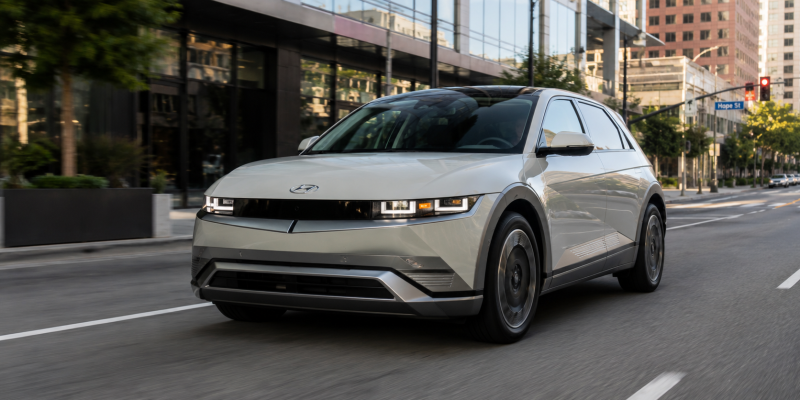
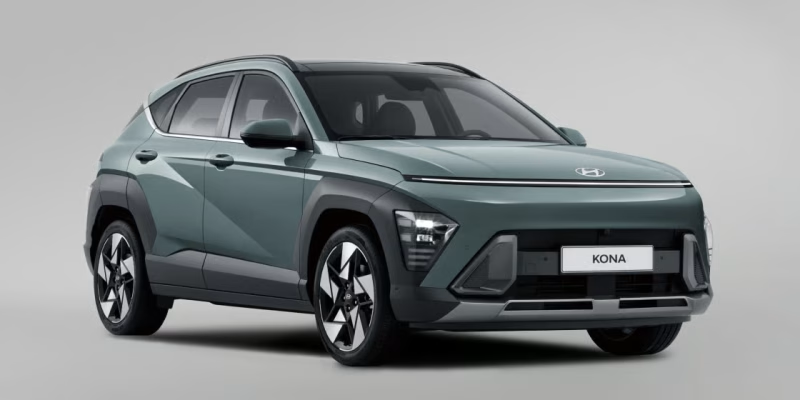
2026 Hyundai Kona Limited AWD subcompact SUV in white driving on a scenic road

2026

Hyundai

Kona

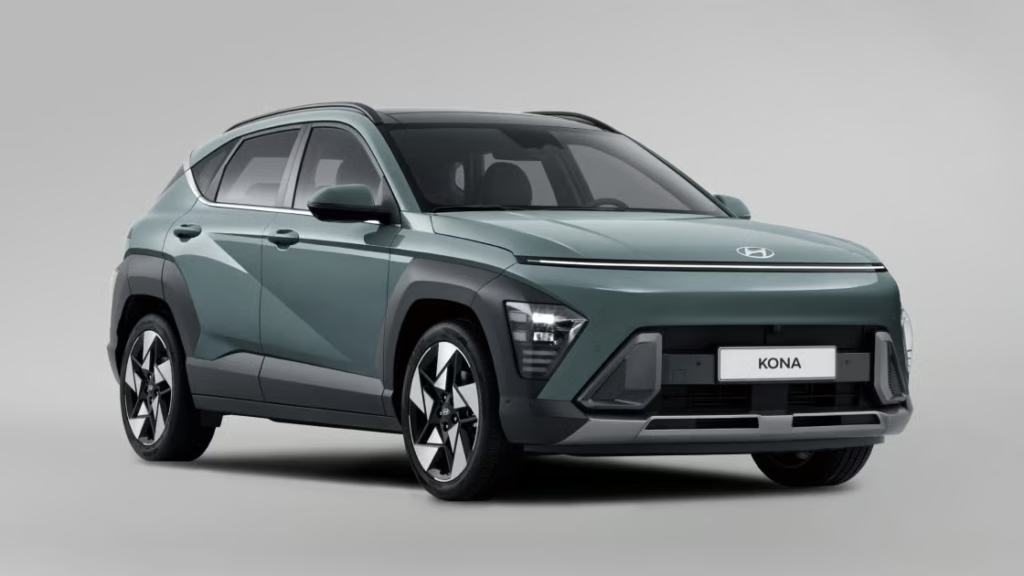
The Hyundai Kona Review 2026 reveals a subcompact crossover that punches well above its price point, combining a dual-engine strategy, bold styling, and a technology package that feels borrowed from a more expensive segment.

Redesigned for the 2024 model year and now refined for 2026, the Kona carries forward its generous interior proportions, a fully standard 12.3-inch touchscreen, and a safety suite that earned it IIHS Top Safety Pick+ recognition. Buyers can now choose between two distinct personality configurations from the new trim lineup, making the decision process simpler than in previous years.

With a starting price around $25,500 and available all-wheel drive across the entire lineup, the 2026 Kona competes directly with some of the most popular names in the subcompact SUV segment. Whether you prioritize fuel efficiency, turbocharged performance, or long-term reliability, Hyundai has structured this model year to give every buyer a clear answer.


What's New

The 2026 Hyundai Kona enters the model year with a streamlined trim lineup designed to eliminate confusion at the dealership. Hyundai dropped four trims from the previous year, specifically the SEL, SEL Convenience, N Line S, and N Line, replacing them with two new entries: the SEL Sport and SEL Premium. This consolidation gives buyers four clear steps from entry level to fully loaded, each with a defined personality rather than overlapping feature sets.

The SEL Sport adds sporty visual elements including gloss-black exterior accents, 18-inch wheels, and roof rails, along with comfort upgrades like heated front seats and wireless charging. The SEL Premium takes a different direction, focusing on refinement with H-Tex seating surfaces, a power-adjustable driver seat, and 19-inch alloy wheels. Pricing for the lineup now starts at around $25,500 for the SE and climbs to approximately $34,145 for the fully loaded Limited. AWD availability is confirmed across all four trims, which is a meaningful improvement in flexibility for buyers in snow-heavy markets.

Infotainment and Connectivity

Every 2026 Kona, regardless of trim, ships with a 12.3-inch touchscreen as standard equipment. Upper trims gain a second 12.3-inch digital driver information display that sits adjacent to the infotainment screen behind a single continuous glass panel, creating a widescreen appearance that feels cohesive rather than bolted on. The layout keeps physical controls present for climate, which is a practical decision that reduces distraction.

Wireless Apple CarPlay and Android Auto are standard, eliminating the cable dependency that frustrates many drivers in this segment. Wireless charging is available beginning at the SEL Sport trim level. The navigation system integrates over-the-air map updates, and Hyundai’s Digital Key 2.0 functionality allows compatible smartphones to serve as a vehicle key. A Bose premium audio system is available at higher trim levels, offering upgraded output for commuters and road-trip regulars. Bluetooth multi-device pairing is included, supporting simultaneous connections without forcing the driver to manually switch between paired devices.

Hyundai Kona Price and Invoice Pricing

2026 Hyundai Kona Price Overview

The 2026 Hyundai Kona starts at approximately $25,500 for the SE trim and climbs to around $34,145 for the Limited. The SEL Sport follows at approximately $26,675, the SEL Premium at approximately $28,550, and each trim offers all-wheel drive at an additional cost. Destination and freight charges are not included in the figures above.

Understanding Dealer Invoice Pricing on the Kona

The sticker price you see on the window is not what the dealer paid for the vehicle. The dealer-side cost, known as the invoice price, is typically several hundred to over a thousand dollars below MSRP depending on the trim and any dealer holdback that applies. Knowing this number puts you in a fundamentally different negotiating position before you walk into the dealership. To understand how this works, read What Is Invoice Price and How It Works in 2026.

Where to Check the Kona Invoice Price

Getting the actual invoice figure on a specific Kona trim requires access to the right data source. Our Dealer Invoice Price Lookup Guide walks through how to pull that number and use it effectively in a negotiation. The final price can also vary based on regional demand, dealer inventory, and available incentives, which is why combining invoice data with current market conditions gives you the strongest position.

Hyundai Inventory and Invoice Pricing Resources

For a full view of Hyundai pricing across the lineup and access to our lead generation tool, visit the Hyundai page on our site and request price quotes from dealers in your area without the pressure of an in-person visit.

The 2026 Kona offers two engine options split cleanly between trim levels. The SE and SEL Sport are powered by a 2.0-liter naturally aspirated four-cylinder engine producing 147 horsepower and 132 lb-ft of torque, paired with a continuously variable transmission. This setup prioritizes smoothness and fuel economy over outright urgency, making it well-suited for urban commuters and buyers who spend the majority of their time at city speeds.

The SEL Premium and Limited move to a 1.6-liter turbocharged four-cylinder engine that produces 190 horsepower and 195 lb-ft of torque, connected to an eight-speed automatic transmission. The torque arrives low in the rev range at 1,700 rpm, which translates to noticeably more responsive passing maneuvers and on-ramp acceleration. Both engines offer front-wheel drive as standard with all-wheel drive available. The Kona’s ride character leans toward comfort over sport, with well-tuned suspension that manages urban imperfections without transmitting harshness into the cabin. Towing capacity reaches 2,000 lbs on properly equipped models, which covers light trailer and small utility trailer duty.

The 2026 Hyundai Kona’s fuel economy numbers reflect its dual-engine structure clearly. With the 2.0-liter engine and front-wheel drive, the EPA rates the Kona at 28 mpg city, 35 mpg highway, and 31 mpg combined. Adding all-wheel drive reduces those figures by approximately 4 to 5 mpg across each measure.

The turbocharged 1.6-liter engine in the SEL Premium and Limited delivers 26 mpg city, 31 mpg highway, and 28 mpg combined with front-wheel drive. All-wheel drive with the turbo engine produces an EPA-estimated 26 mpg combined. The fuel tank holds 13.2 gallons, which gives the front-wheel-drive, naturally aspirated Kona a realistic range of approximately 400 miles per fill. Annual fuel costs are estimated near $1,950 for the most efficient configurations, placing the Kona among the top 20 percent of most economical gas-powered SUVs in its segment.

The 2026 Hyundai Kona earned IIHS Top Safety Pick+ status, which represents the highest recognition the organization awards. NHTSA testing produced an overall four-star rating. The standard safety technology package is comprehensive for this price class, including Forward Collision-Avoidance Assist with detection for pedestrians, cyclists, and junction-turning scenarios, adaptive cruise control with stop-and-go functionality, blind-spot collision warning with rear cross-traffic alert, and lane-keeping assist with lane-following assist. Safe Exit Warning alerts occupants when exiting the vehicle if a passing vehicle is detected.

Driver Attention Warning monitors fatigue indicators and delivers alerts when driving patterns suggest the driver may need a break. Rear Occupant Alert is standard and uses ultrasonic sensors to check for passengers or pets left in the rear seat after the vehicle is parked. The LATCH child seat anchor system received an Acceptable rating from IIHS, with the note that the lower anchors sit slightly deep in the seat cushion. Hyundai backs the Kona with a five-year, 60,000-mile basic warranty and a 10-year, 100,000-mile powertrain warranty, which exceeds what most competitors in this segment offer.

The 2026 Hyundai Kona offers 25.5 cubic feet of cargo space behind the rear seats, a competitive figure for the subcompact SUV class. Folding the rear seats flat expands the total load floor significantly for larger items, and the low lift-over height makes loading heavier cargo easier. The hands-free power tailgate is standard on the Limited trim, useful when hands are full of bags or equipment.

Interior storage throughout the cabin is practical rather than generous. The front center console includes a covered bin, a wireless charging pad on equipped trims, and a pair of USB ports for device connectivity. Rear passengers receive a folding armrest with cupholders and map pockets in the seatback. The rear seat itself offers 38.2 inches of legroom, which is above average for the segment and allows adults to ride comfortably on longer trips. Door pockets on all four doors accept standard water bottles without issue.

Pros

  • Strong Safety Credentials. The 2026 Kona earned IIHS Top Safety Pick+ and a four-star NHTSA overall rating, with a full suite of standard driver assistance technology that rivals vehicles priced significantly higher.
  • Dual Powertrain Options. Buyers can choose between an efficient 2.0-liter engine or a more energetic 1.6-liter turbo, allowing the Kona to serve both fuel-economy-focused drivers and those who want stronger highway performance.
  • Standard Infotainment Quality. A 12.3-inch touchscreen is standard across every trim, with wireless Apple CarPlay and Android Auto included, placing the base Kona ahead of many competitors in this category from the start.
  • Industry-Leading Warranty Coverage. The five-year, 60,000-mile basic warranty paired with a 10-year, 100,000-mile powertrain warranty provides long-term ownership confidence that stands out clearly in the subcompact SUV segment.
  • AWD Available on Every Trim. All-wheel drive is an option at every level of the lineup, giving buyers maximum flexibility without forcing them to upgrade to a higher trim just to get traction capability.

Cons

  • Base Engine Acceleration. The 2.0-liter engine’s 9.8-second 0-to-60 mph time places it on the slower end of the segment, which may frustrate drivers who frequently need to merge quickly at highway speeds.
  • Turbo Engine Fuel Economy Trade-Off. Upgrading to the 1.6-liter turbocharged engine improves performance but reduces combined fuel economy to 28 mpg with front-wheel drive, which lags behind some naturally aspirated competitors.
  • Base Cargo Volume. With 25.5 cubic feet behind the rear seats, the Kona’s cargo capacity is competitive but not class-leading, which may be a limiting factor for buyers who frequently carry large items.

Find the dealer invoice price on the 2026 Hyundai Kona before you negotiate and see how much you can save with our free pricing tool.

What is the best way to get a good deal on a 2026 Hyundai Kona?

The best strategy for getting a strong deal on a 2026 Hyundai Kona is to know the dealer invoice price before you begin negotiating. The invoice price is what the dealer paid for the vehicle, and it is typically lower than the MSRP sticker price by a measurable margin. When you enter the dealership with that number, you shift the conversation from defending the sticker to discussing how close to invoice the dealer is willing to go. You can access our invoice pricing lookup tool directly on this site to pull the figure for your specific trim and use it as the foundation of your negotiation.

Written by Invoice Pricing

Sources Reviewed

Hyundai USA / EPA / FuelEconomy.gov / IIHS / NHTSA

Disclosure

Invoice-Pricing.com may connect shoppers with participating dealers.

Select Your Vehicle and See
Secret Dealer Pricing

Takes less than 30 seconds, 100% FREE.

Buying Tips

Buyer negotiating a new car price while reviewing a printed dealer pricing document across the desk from a salesperson at a dealership office.

Negotiating a New Car Price: What To Do Before You Make an Offer

Learn how to prepare before you negotiate a new car, so every offer you make…

Learn More

Auto prices on a dealership window sticker showing MSRP, invoice price, dealer fees, and out-the-door price highlighted in yellow

How to Read Auto Prices Before You Negotiate

Auto prices are never one number. Learn what MSRP, invoice price, and out-the-door price mean…

Learn More

: A car buyer researching how CarsDirect works on a laptop before contacting a dealer.

How Does CarsDirect Work? All You Need to Know

CarsDirect is a solid starting point. Here is what it can and cannot tell you…

Learn More

Car buyer reviewing pricing data on a laptop inside a dealership showroom before negotiating a deal

CarEdge Review: Is the Data Strong Enough to Negotiate?

CarEdge review: solid pricing tool, but here’s what you still need to verify before signing…

Learn More

A car buyer researching how TrueCar works on a laptop, with car keys and notes on the desk

How Does TrueCar Work? How to Use It and What to Look Beyond

How does TrueCar work — and is it enough? Learn what it shows, what it…

Learn More

Woman standing beside a new SUV outside a dealership with an Invoice Pricing lookup screen in the background.

Costco Auto Program vs Invoice Pricing for 2026

Compare Costco Auto Program and Invoice Pricing to choose the best way to buy your…

Learn More

More Hyundai Models

Content