Hyundai Sonata Review 2026: Remarkably Good Value Right Now

from the experts at Invoice Pricing

Cars Hyundai Hyundai Sonata Review 2026: Remarkably Good Value Right Now
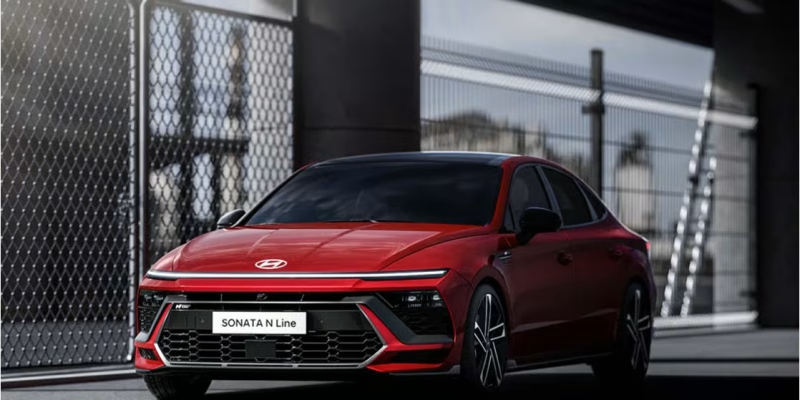
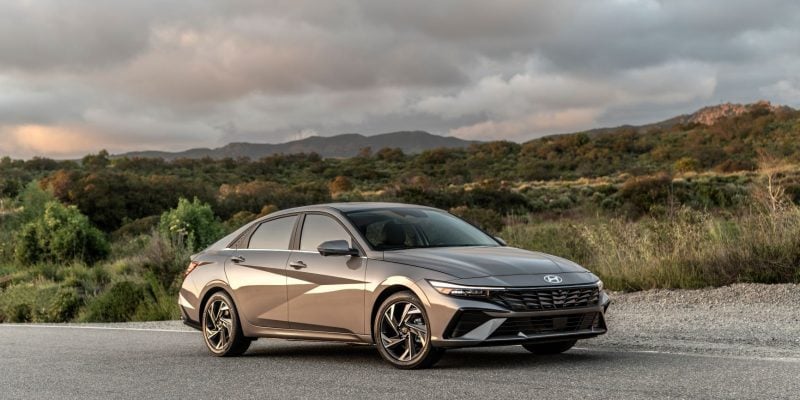
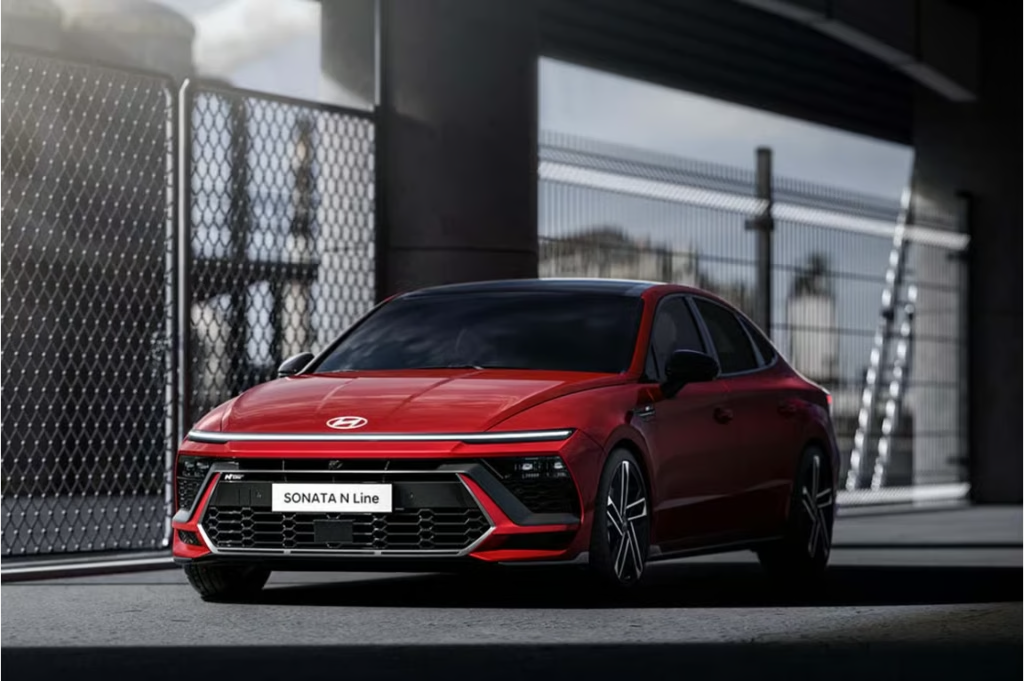
2026 Hyundai Sonata N Line in Abyss Black Pearl on a winding road, showcasing the sedan's aggressive front fascia and 19-inch alloy wheels

2026

Hyundai

Sonata

The Hyundai Sonata Review 2026 covers one of the most versatile midsize sedans on the market, a car that genuinely refuses to pick a lane. Starting with the base SE and stretching to a 290-horsepower turbocharged N Line, with AWD available on the SEL Sport and hybrid trims that post up to 51 mpg combined, the Sonata spans more of the buyer spectrum than most rivals dare to attempt. It earns IIHS Top Safety Pick+ honors and a five-star NHTSA rating, all backed by Hyundai’s ten-year, 100,000-mile powertrain warranty. This review covers the full 2026 gas-powered Sonata lineup.

The 2026 Sonata arrives in three gas configurations. The SE and SEL Sport share a naturally aspirated 2.5-liter four-cylinder producing 191 horsepower and 181 pound-feet of torque, paired with an eight-speed automatic. The N Line upgrades to a turbocharged version of that same engine, raising output to 290 horsepower and 311 pound-feet, and swaps the conventional automatic for a dual-clutch transmission with paddle shifters. AWD is offered exclusively on the SEL Sport trim at an additional cost, making it the only Sonata configuration that adds all-weather traction to the standard powertrain.

What separates the Sonata from rivals such as the Honda Accord, Toyota Camry, and Nissan Altima is the breadth of its lineup without a corresponding jump in price. A buyer can start with a practical, efficient base model, step up to a turbocharged performance sedan, or add AWD for winter driving, all within the same nameplate. Backed by Hyundai’s class-leading warranty and earning top marks from both major safety organizations, the 2026 Sonata remains one of the most complete value propositions in the midsize sedan segment.


What's New

The most significant structural change for the 2026 Hyundai Sonata is the consolidation of the mid-range trim lineup. The former SEL and SEL Convenience models have been replaced by a single SEL Sport trim, which absorbs the convenience package features and adds an athletic character with 18-inch alloy wheels and a leather-wrapped steering wheel. On the hybrid side, Hyundai has added the Hybrid Blue as a new entry-level configuration, giving efficiency-focused buyers a lower starting point into the electrified Sonata lineup. All-wheel drive remains available exclusively on the SEL Sport gas trim, added as a $1,500 option. The Sonata’s 2024 interior redesign, which introduced a wide dual-screen setup inspired by the Ioniq electric lineup, carries forward unchanged. No powertrain modifications were made to the 2026 gas Sonata; the 191-horsepower 2.5-liter and the 290-horsepower turbocharged 2.5-liter both continue from the prior model year.

Infotainment and Connectivity

The 2026 Hyundai Sonata arrives with a standard 12.3-inch touchscreen across all trims, paired with a separate 12.3-inch digital instrument cluster that replaces the traditional gauge pod. The resulting wide-screen cockpit gives the Sonata a distinctly modern feel that punches above its segment. All trims include wireless Apple CarPlay and Android Auto, Bluetooth multi-device pairing, and over-the-air software update capability. The base SE trim uses a column-mounted shifter rather than a console unit, freeing up center space for improved storage. The SEL Sport adds wireless device charging and a leather-wrapped steering wheel. N Line buyers receive an upgraded Bose premium eight-speaker audio system and ventilated front seats on higher configurations. Hyundai Bluelink connected car services are standard across the lineup, providing remote start, stolen vehicle tracking, and in-app vehicle monitoring. Digital Key 2 Touch, which allows NFC-enabled smartphones or smartwatches to lock, unlock, and start the Sonata, is available on the SEL Sport and above.

Hyundai Sonata Price and Invoice Pricing

2026 Hyundai Sonata Starting Price

The 2026 Hyundai Sonata starts at $27,450 for the base SE trim. The gas lineup spans three configurations: SE at $27,450, SEL Sport at $29,000 with FWD or $30,500 with the optional AWD system, and N Line at $35,900. All prices are before the standard $1,245 destination charge. The Sonata Hybrid is sold as a separate lineup beginning with the Hybrid Blue at $29,050. The N Line’s significant price jump from the SEL Sport reflects the turbocharged powertrain, dual-clutch transmission, sport suspension, and upgraded interior package it delivers over the standard configurations.

What Changes the Final Hyundai Sonata Price?

The SE provides a complete technology and safety foundation including the dual 12.3-inch screens, wireless Apple CarPlay and Android Auto, and the full Hyundai SmartSense safety suite. The SEL Sport adds 18-inch wheels, heated front seats, wireless charging, dual-zone automatic climate control, and available all-wheel drive. The N Line replaces comfort upgrades with performance items: the turbocharged engine, dual-clutch transmission, sport suspension, paddle shifters, bolstered seats, and 19-inch wheels. Beyond trim level, the final price can also vary based on destination charges, local dealer inventory, and any available manufacturer incentives active at the time of purchase.

How Invoice Pricing Helps Hyundai Sonata Shoppers

The Sonata is priced competitively across all three trims, but knowing the dealer-side cost reference before negotiating is still the most reliable way to ensure you are not leaving money on the table. The gap between what a dealer paid for the Sonata and what they are asking can vary meaningfully by trim and region. Learn more about how this works at What Is Invoice Price and How it Works in 2026.

Where to Check Hyundai Sonata Invoice Pricing

Invoice pricing on the SE, SEL Sport, and N Line configurations each carries a different dealer cost, and the AWD option on the SEL Sport adds another variable to the calculation. Getting the right figure requires a lookup tied to your specific ZIP code and the dealer you are targeting. The Dealer Invoice Price Lookup Guide walks through how to run that search efficiently. You can also explore the full Hyundai page for additional model and pricing resources.

The SE and SEL Sport share a 2.5-liter naturally aspirated four-cylinder engine producing 191 horsepower and 181 pound-feet of torque, paired with an eight-speed automatic transmission. Front-wheel drive is standard on both; the SEL Sport adds an optional all-wheel-drive system for $1,500 that uses a rear-mounted motor to distribute power between the front and rear axles. The naturally aspirated engine delivers smooth, linear power delivery well-suited to daily commuting. Highway merging and city driving feel effortless, and the eight-speed automatic shifts crisply without the hesitation of CVT-equipped rivals.

The N Line transforms the Sonata’s character with a turbocharged version of the 2.5-liter four-cylinder making 290 horsepower and 311 pound-feet of torque. It pairs with an eight-speed dual-clutch transmission and paddle shifters, available in front-wheel drive only. The result is a genuinely quick midsize sedan with 0-60 performance in approximately 5.2 seconds, a figure that competes with much more expensive sport sedans. N Line models also receive a sport-tuned suspension, larger front brake rotors, and unique interior accents to differentiate the driving experience from the standard lineup.

EPA-rated fuel economy for the 2026 Hyundai Sonata gas lineup varies by configuration. The base SE returns 28 city, 38 highway, and 32 combined mpg. The SEL Sport with front-wheel drive is rated at 25 city, 36 highway, and 29 combined mpg. Adding all-wheel drive to the SEL Sport lowers the figures to 24 city, 33 highway, and 27 combined mpg. The turbocharged N Line returns 23 city, 32 highway, and 27 combined mpg. Buyers who prioritize efficiency above all else can step to the separately sold Sonata Hybrid, where the base Hybrid Blue trim achieves 47 city, 56 highway, and 51 combined mpg on EPA estimates. The Hybrid SEL and Hybrid Limited trims are rated at 44 city and 51 highway for a 47 combined figure. Gas Sonata range per tank varies from approximately 396 to 475 miles depending on configuration, based on the 18.5-gallon fuel tank.

The 2026 Hyundai Sonata earned the IIHS Top Safety Pick+ designation, the organization’s highest award, with Good scores across the small overlap front, moderate overlap front, side, roof strength, and head restraint tests. The National Highway Traffic Safety Administration awarded the Sonata a five-star overall safety rating. Standard safety technology on every trim includes forward collision-avoidance assist with pedestrian and cyclist detection, lane keeping assist, lane following assist, blind-spot collision warning, rear cross-traffic collision-avoidance assist, driver attention warning, automatic high beam assist, and safe exit warning. The SEL Sport adds rear occupant alert and a surround-view monitor. The N Line includes all of the above plus navigation-based smart cruise control, which adjusts speed based on upcoming curves and speed limit data. Hyundai’s ten-year, 100,000-mile powertrain warranty provides an additional layer of long-term ownership confidence that no direct rival currently matches.

The 2026 Sonata offers 46.1 inches of front legroom and 34.8 inches of rear legroom, figures that are competitive for the midsize segment. Front-seat occupants benefit from a wide cabin and good visibility. Rear passengers have adequate legroom for adult-sized riders on most trips, though taller occupants may find the headroom slightly compromised by the sloping roofline on longer journeys. The trunk delivers 15.6 cubic feet of cargo space, which is on par with segment rivals and large enough for most family travel needs. All trims include a 60/40 split-folding rear seatback for extending cargo length into the cabin. The column-mounted shifter on the SE and SEL Sport frees up meaningful center console storage space that console-shifted competitors lack. The Sonata is not rated for towing.

Pros

Class-Leading Warranty Coverage Hyundai backs the Sonata with a five-year, 60,000-mile basic warranty and a ten-year, 100,000-mile powertrain guarantee, terms that no direct midsize sedan rival currently offers.

IIHS Top Safety Pick+ and Five-Star NHTSA Rating The Sonata achieved the highest possible recognition from both major safety organizations, earning Good scores across virtually all IIHS crash categories and a five-star overall from NHTSA.

Turbocharged N Line Delivers Real Performance The 290-horsepower turbocharged 2.5-liter with its dual-clutch transmission gives the N Line genuine sport sedan credentials, with 0-60 times around 5.2 seconds at a price point well below European rivals.

All-Wheel Drive Available on a Midsize Sedan The SEL Sport’s optional AWD system makes the Sonata one of the few midsize sedans that offers all-weather traction without switching to a crossover, filling a gap that the Accord and Camry do not address.

Standard Dual-Screen Interior Across All Trims The wide 12.3-inch touchscreen and 12.3-inch digital gauge cluster give every Sonata a premium cockpit feel, without reserving the larger display for higher trim levels.

Cons

N Line Is Front-Wheel Drive Only The turbocharged N Line is not available with the AWD system that the SEL Sport offers, meaning buyers who want both performance and all-weather capability cannot get them in the same configuration.

Real-World Fuel Economy Falls Short of EPA Estimates Multiple independent testers have reported real-world figures noticeably below the EPA ratings, particularly on the N Line, where some reviewers saw as little as 22 mpg in mixed driving.

Rear Headroom Is Tight for Taller Adults The Sonata’s sloping fastback roofline affects rear headroom for passengers over six feet tall, making extended rear-seat trips less comfortable than rivals with higher rooflines.

The 2026 Hyundai Sonata is a midsize sedan that delivers more powertrain variety, better safety credentials, and stronger warranty coverage than almost any rival in the segment. Whether you want an efficient daily driver, an all-weather commuter, or a turbocharged sport sedan, there is a Sonata configuration built for your needs. Before you visit a Hyundai dealership, get the invoice price for the exact Sonata trim you are considering.

Is the 2026 Hyundai Sonata N Line worth the premium over the SEL Sport?

The N Line costs approximately $6,900 more than the base SEL Sport and represents a fundamentally different car rather than simply a feature upgrade. The SEL Sport is a well-rounded, comfortable daily driver with available all-wheel drive, heated seats, and wireless charging. The N Line trades those convenience and traction features for a 290-horsepower turbocharged engine, a dual-clutch transmission, sport suspension tuning, and a more aggressive visual package. If spirited driving and performance are priorities and you live in an area where AWD is not essential, the N Line delivers exceptional value for a sport sedan. If all-weather capability, comfort features, and a lower price point are more important, the SEL Sport with AWD is the more practical choice. Either way, running the invoice price on both trims before negotiating gives you the clearest picture of where your money goes at the dealer level.

Written by Invoice Pricing

Sources Reviewed

Hyundai USA / EPA / FuelEconomy.gov / IIHS

Disclosure

Invoice-Pricing.com may connect shoppers with participating dealers.

Select Your Vehicle and See
Secret Dealer Pricing

Takes less than 30 seconds, 100% FREE.

Buying Tips

Buyer negotiating a new car price while reviewing a printed dealer pricing document across the desk from a salesperson at a dealership office.

Negotiating a New Car Price: What To Do Before You Make an Offer

Learn how to prepare before you negotiate a new car, so every offer you make…

Learn More

Auto prices on a dealership window sticker showing MSRP, invoice price, dealer fees, and out-the-door price highlighted in yellow

How to Read Auto Prices Before You Negotiate

Auto prices are never one number. Learn what MSRP, invoice price, and out-the-door price mean…

Learn More

: A car buyer researching how CarsDirect works on a laptop before contacting a dealer.

How Does CarsDirect Work? All You Need to Know

CarsDirect is a solid starting point. Here is what it can and cannot tell you…

Learn More

Car buyer reviewing pricing data on a laptop inside a dealership showroom before negotiating a deal

CarEdge Review: Is the Data Strong Enough to Negotiate?

CarEdge review: solid pricing tool, but here’s what you still need to verify before signing…

Learn More

A car buyer researching how TrueCar works on a laptop, with car keys and notes on the desk

How Does TrueCar Work? How to Use It and What to Look Beyond

How does TrueCar work — and is it enough? Learn what it shows, what it…

Learn More

Woman standing beside a new SUV outside a dealership with an Invoice Pricing lookup screen in the background.

Costco Auto Program vs Invoice Pricing for 2026

Compare Costco Auto Program and Invoice Pricing to choose the best way to buy your…

Learn More

More Hyundai Models

Content